

The Benefits of Outdoor Movement: How Nature, Exercise and Sunlight Can Support Your Health

Could spending more time outdoors be one of the simplest ways to improve your health, boost your mood and support weight loss?
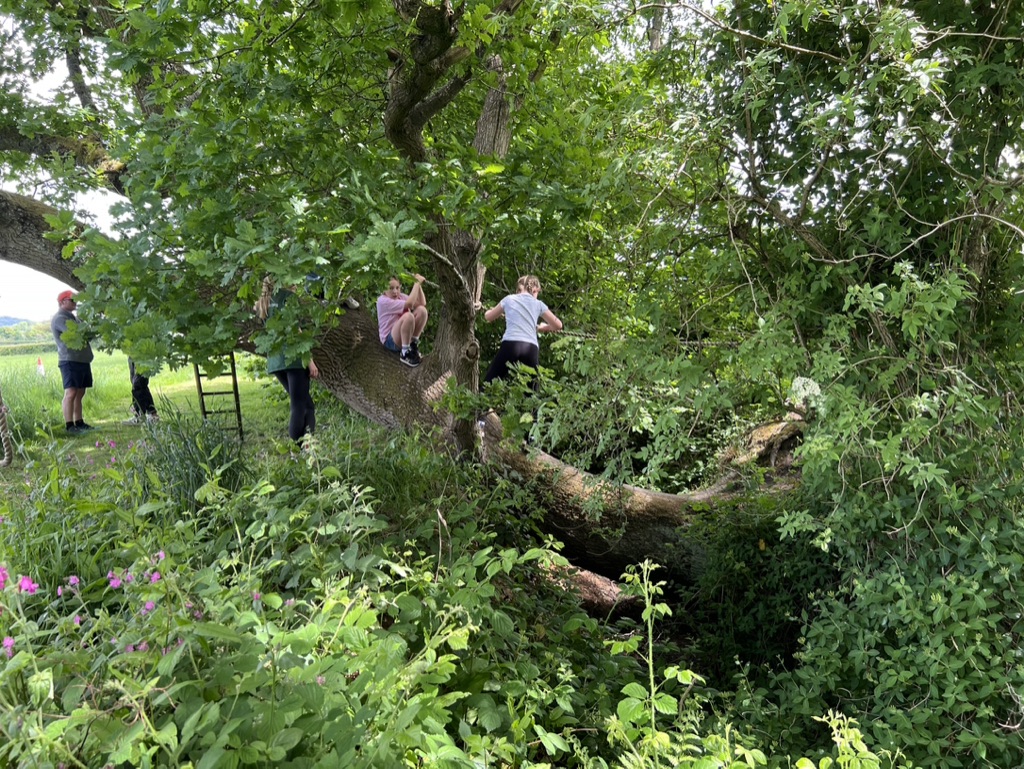
We live in a world where many of us spend hours sitting at desks, travelling in cars and exercising indoors. Yet our bodies are designed to move, explore and respond to the world around us.
From walking in the countryside to climbing trees, tackling obstacles and enjoying a workout in the fresh air, outdoor movement offers an opportunity to reconnect with nature while looking after our physical and mental wellbeing.
The work of Dr Alexis Cowan, a scientist whose research interests include metabolism, light and human biology, has helped bring attention to the relationship between our outdoor environment and our health. Her discussions explore how natural light, circadian rhythms and daily lifestyle habits may influence our metabolism, appetite and overall wellbeing.
At WildFit Surrey, we believe movement should be about more than burning calories or achieving a number on the scales. It’s about building strength, feeling energised, challenging yourself and enjoying what your body can do.
So, what are the potential benefits of taking your movement outdoors?
1. Outdoor movement: more than just burning calories
When people think about exercise, they often focus on calories burned, steps counted or time spent working out.
But movement does much more than use energy.
Regular physical activity helps maintain muscle strength, supports cardiovascular health, improves physical fitness and contributes to better mental wellbeing. It can also help us maintain our independence and ability to perform everyday activities as we get older.
Outdoor movement adds another dimension. Instead of simply repeating the same movements on a gym machine, you can walk over uneven ground, climb, balance, jump, lift, crawl and navigate obstacles.
These activities challenge your body in different ways, helping develop coordination, balance, muscular strength and movement skills.
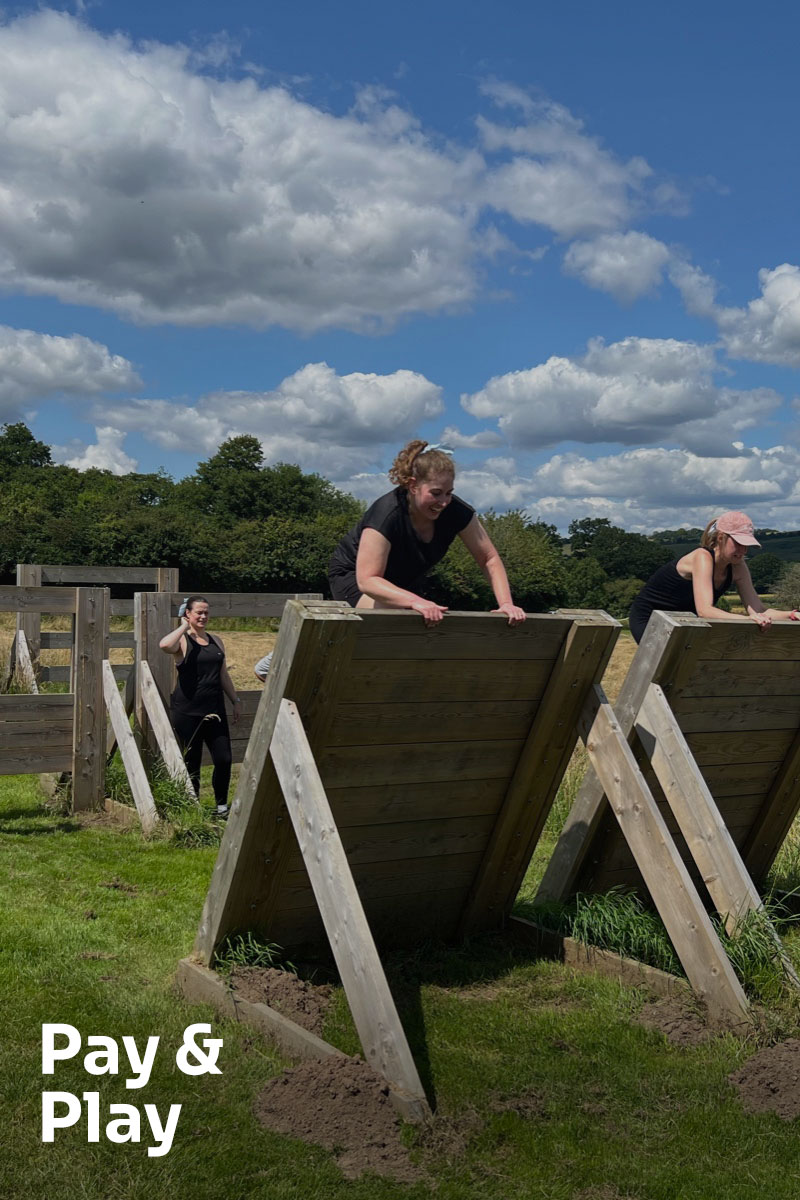
At WildFit Surrey, our obstacle course encourages people to move in ways they might not normally experience in everyday life. With more than 35 obstacles, a 500-metre course and challenges ranging from swinging and climbing to jumping and crawling, there’s plenty of opportunity to get your whole body moving.
And the best bit? You don’t have to be an elite athlete to take part.
Our instructors encourage everyone to challenge themselves at their own pace, without pressure to do anything they’re uncomfortable with.
2. Can outdoor movement help with weight loss?
For many people, weight management is an important motivation for becoming more active.
The good news is that regular physical activity can play an important role in achieving and maintaining a healthy weight.
However, successful weight management is about more than burning calories during a workout.
Your body uses energy throughout the day for everything from breathing and maintaining body temperature to digesting food and moving your muscles. Your overall energy balance is influenced by how much energy you consume and use, alongside factors such as sleep, appetite, medications, stress and individual biology.
Why movement matters
Physical activity helps increase the energy your body uses. Depending on the type and intensity of exercise, it can also help preserve or build muscle, improve fitness and support metabolic health.
Muscle is particularly important because it plays a role in how your body handles glucose (sugar) from your bloodstream. Resistance exercise and other muscle-strengthening activities can improve insulin sensitivity, helping your body regulate blood glucose more effectively.
Outdoor activities can combine several useful forms of exercise in one session.
For example, tackling an obstacle course might involve:
- Cardiovascular exercise: walking, running and moving between obstacles.
- Strength: climbing, pulling, pushing and supporting your body weight.
- Balance and coordination: navigating uneven ground and negotiating obstacles.
- Higher-intensity bursts: short sprints, jumps and challenging climbs.
This variety can help make physical activity more engaging than a repetitive workout.
Could enjoying exercise make it easier to lose weight?
One of the biggest challenges with exercise is maintaining a routine.
If you dislike your workouts, you’re less likely to look forward to them. If you enjoy what you’re doing, being active can become something you choose to do rather than another chore on your to-do list.
Outdoor adventures, group challenges and activities with friends can make movement feel less like exercise and more like play.
That matters because consistency is key. Regular activity, combined with a balanced diet and sustainable lifestyle habits, is generally more helpful for long-term weight management than occasional intense workouts.
What about Dr Alexis Cowan’s work on sunlight and metabolism?
Dr Cowan explores how the light we experience throughout the day may influence biological processes associated with metabolism, appetite and our internal body clock.
Our circadian rhythms are the natural 24-hour cycles that help regulate sleep, hormone production and other bodily functions. Exposure to natural daylight, particularly during the day, helps synchronise these rhythms.
Research into light exposure and metabolic health is an evolving field. Although there are interesting questions about how light may influence appetite and metabolism, it would be premature to suggest that sunlight alone causes weight loss or that spending time outdoors will automatically make you lose weight.
The practical takeaway is simpler: combine regular movement with time outdoors, adequate sleep and sustainable eating habits to support your overall health.
And remember, weight loss isn’t the only measure of progress. Improved fitness, greater strength, better sleep and feeling more energetic are all worthwhile outcomes.
3. Natural daylight and your body clock
One of the central themes in Dr Cowan’s work is the relationship between light and our biology.
Our bodies have an internal timing system, known as the circadian rhythm, which helps coordinate when we feel awake, when we feel sleepy and when many physiological processes take place.
Light is one of the most important signals that helps keep this system aligned with the day-night cycle.
Modern life can limit our exposure to natural daylight. We may wake up, travel to work, spend the day under artificial lighting and return home after sunset.
Making time to get outside during daylight hours is a simple way to change that pattern.
You could try:
- Taking a morning walk before starting work.
- Having your lunch outside when practical.
- Walking rather than driving for shorter journeys.
- Exercising outdoors instead of always using an indoor gym.
- Spending more time in the garden or local countryside.
Regular daylight exposure can help support healthy circadian timing and sleep patterns. In turn, adequate sleep is important for energy levels, appetite regulation, recovery and the ability to maintain healthy habits.
It is worth remembering that daylight exposure is beneficial without needing to seek intense or prolonged direct sunshine. In the UK, natural light is available even on overcast days.
Enjoy the outdoors sensibly, protect your skin when appropriate and avoid sunburn.
4. Outdoor exercise and mental wellbeing
Have you ever gone for a walk feeling stressed, only to return feeling calmer and more positive?
There is growing scientific interest in the benefits of green exercise — physical activity undertaken in natural environments such as parks, woodland and countryside.
A systematic review published in 2021 examined 50 studies of nature-based activities and found evidence that these interventions can improve aspects of mental health, including mood and anxiety.
A further systematic review published in 2026 examined 57 community-based outdoor physical activity studies and found positive effects on general health and mental wellbeing. Walking and varied outdoor activities were among the approaches associated with beneficial outcomes.
Although the precise benefits vary between individuals and activities, these findings support the value of making outdoor movement part of everyday life.
Why might being outdoors help?
There are several possible explanations.
A change of environment
Getting away from screens, traffic and the demands of everyday life can provide a welcome mental break.
A connection with nature
Natural surroundings offer sights, sounds and experiences that can help us feel more connected to the world around us.
A sense of achievement
Completing a challenging walk, climbing an obstacle or learning a new physical skill can build confidence and provide a tangible sense of progress.
Social connection
Exercising with other people creates opportunities to talk, laugh, encourage one another and build relationships.
At WildFit Surrey, we see how outdoor challenges can bring people together. Whether you’re visiting with friends, family, colleagues or a school group, the shared experience can be just as important as the physical activity itself.
And because challenges can be adapted to different abilities, people don’t need to be equally fit or experienced to enjoy taking part.
5. Why natural movement is good for your body
Our everyday lives often involve sitting for long periods, walking on predictable surfaces and performing a limited range of movements.
Outdoor environments offer opportunities to move differently.
Walking over uneven terrain, stepping over logs, climbing slopes and balancing on obstacles all require your body to respond to changing conditions.
These movements can help develop:
- Strength: using your muscles to push, pull, climb and support your body.
- Balance: adjusting your position as the ground or obstacle changes.
- Coordination: combining different movements to complete a task.
- Mobility: moving your joints through a range of positions appropriate to your ability.
- Body awareness: understanding where your body is positioned and how it moves through space.
Varied movement can be especially valuable as we get older, when maintaining strength, balance and physical capability becomes increasingly important.
You don’t need a sophisticated gym or expensive equipment to get started. Walking, gardening, hiking, carrying shopping or playing outdoor games can all contribute to a more active lifestyle.
The important thing is to find activities that suit your current ability and gradually build from there.
6. Exercise shouldn’t feel like punishment
One reason people struggle to maintain an exercise routine is that they associate fitness with discomfort, pressure or the need to achieve a particular body shape.
But physical activity can be enjoyable, sociable and rewarding in its own right.
Think about the difference between forcing yourself through a workout you dislike and spending an afternoon exploring the countryside, trying new challenges or competing against friends in a series of fun activities.
You’re still moving your body, using energy and challenging your fitness. But the experience can feel completely different.
At WildFit Surrey, we embrace a challenge-by-choice approach.
Our outdoor obstacle course offers challenges for different fitness levels, from traditional obstacles and climbing activities to our Ninja Track, Sprint Track and team games.
You can push yourself, try something new or simply enjoy being active outdoors. Our friendly instructors are there to encourage you, not pressure you.
Fitness doesn’t have to be about perfection. It can be about discovering what you’re capable of, enjoying the process and coming back for more.
7. The benefits of moving together
Outdoor movement can also be a powerful way to strengthen relationships.
Walking with a friend, joining an outdoor fitness group or taking on a team challenge gives you a shared experience that goes beyond exercise.
Group activities can encourage people to participate, provide motivation and make physical activity more enjoyable.
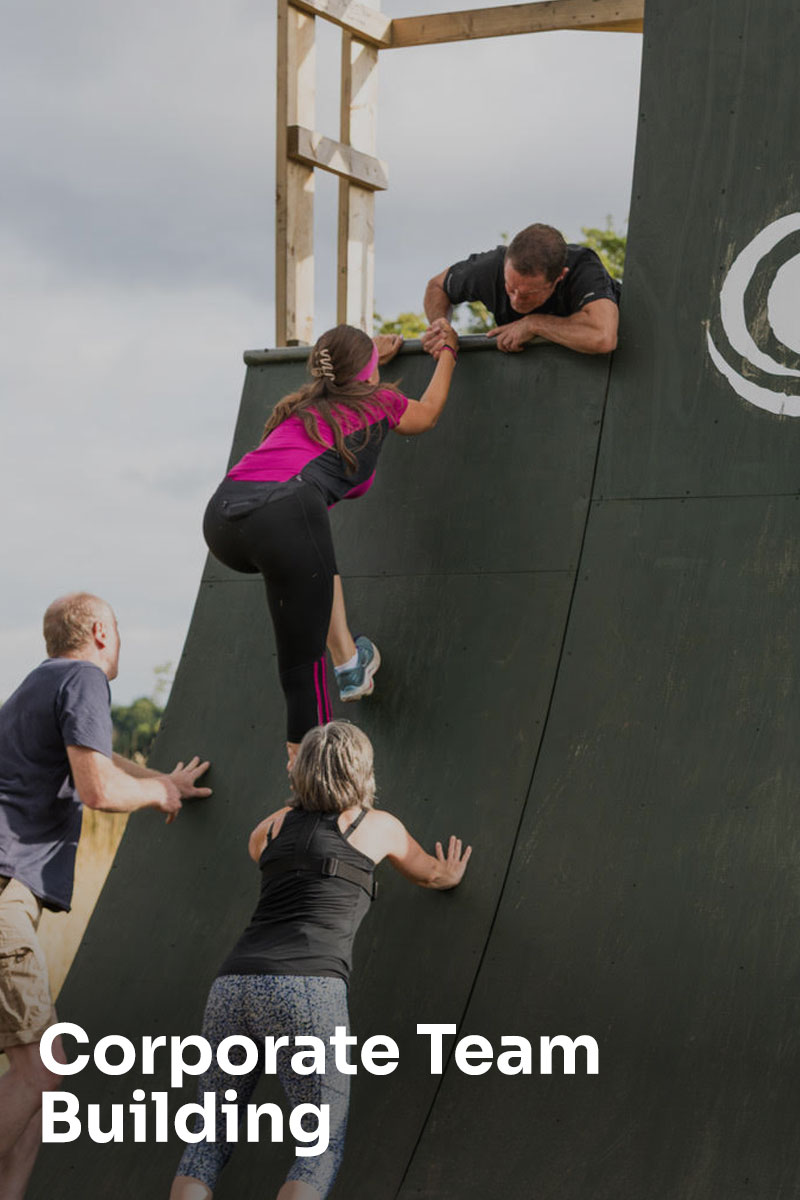
At WildFit Surrey, our team-building sessions use outdoor challenges to develop communication, cooperation and problem-solving.
Participants might need to help one another negotiate an obstacle, coordinate their movements or find a solution to a team challenge.
These experiences encourage people to support one another and celebrate shared achievements.
The same principle applies to families and friends. When exercise becomes a social experience, it can be easier to make it a regular part of your life.
8. How to get more outdoor movement into your week
You don’t need to transform your lifestyle overnight. Small, sustainable changes can make a meaningful difference.
Here are seven practical ways to start.
1. Get outside every day
Even a short walk is a useful starting point if you currently spend most of your day indoors.
2. Build movement into your routine
Walk during your lunch break, take the stairs or leave the car at home for shorter journeys when practical.
3. Try different activities
Mix walking with cycling, gardening, outdoor fitness, hiking or activities that challenge your strength and coordination.
4. Include muscle-strengthening exercise
Alongside everyday movement, aim to include activities that work your major muscle groups. Bodyweight exercises, resistance training and climbing activities can all contribute.
5. Make it sociable
Arrange a walk with friends, join a group or find an outdoor activity you can enjoy with your family.
6. Pay attention to recovery
Sleep, rest, hydration and balanced nutrition all help support an active lifestyle.
7. Focus on consistency, not perfection
You don’t need every session to be intense. Start at a level that feels manageable and gradually build up as your fitness improves.
For general guidance, UK physical activity recommendations for adults include at least 150 minutes of moderate-intensity activity each week, or 75 minutes of vigorous-intensity activity, alongside muscle-strengthening activities on at least two days. If you’re currently inactive, start with smaller amounts and build up gradually.
9. Experience the benefits of outdoor movement at WildFit Surrey
At WildFit Surrey, we believe the outdoors offers an exciting alternative to conventional exercise.
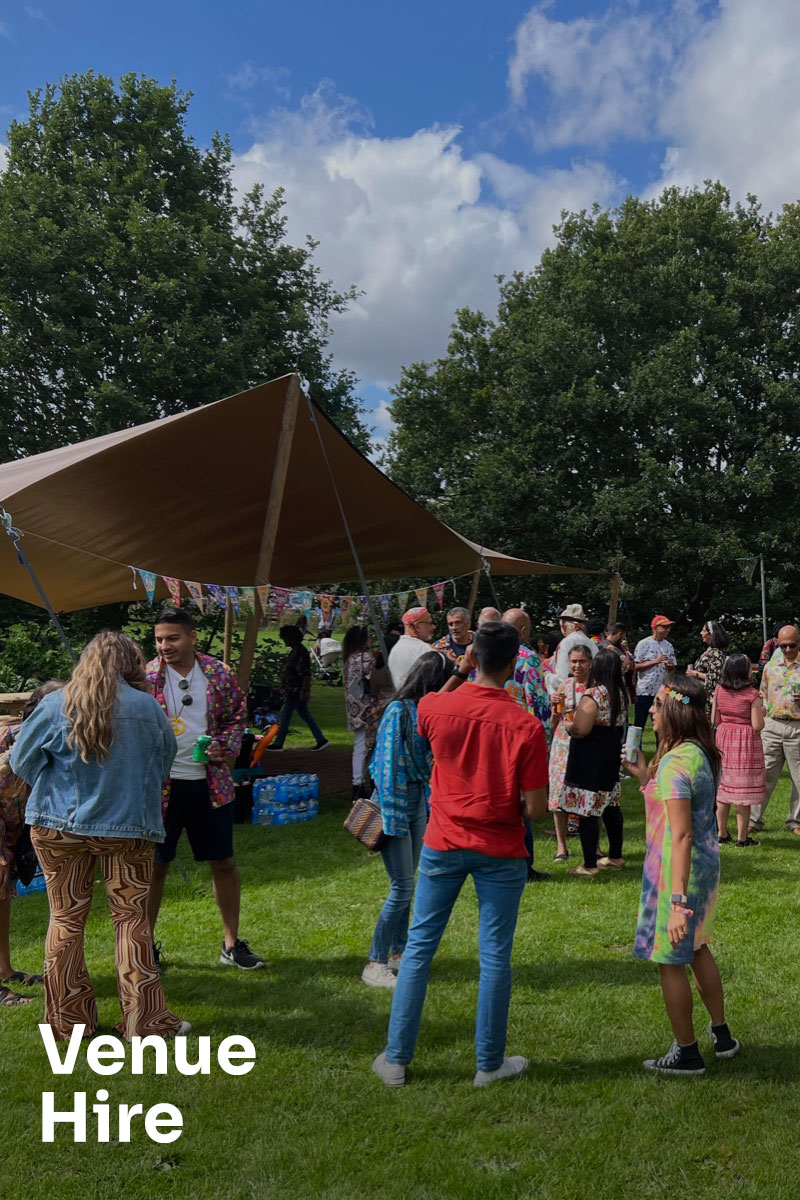
Set in ten acres of countryside, our outdoor venue gives you the opportunity to move, explore, challenge yourself and enjoy time away from the usual distractions of everyday life.
Our obstacle course features more than 35 obstacles across approximately 500 metres, including climbing, jumping, crawling and swinging challenges, as well as a 70-metre zip wire.
We also offer a range of team-building activities designed to encourage communication, cooperation and shared achievement.
Whether you’re looking for an outdoor fitness experience, a memorable day with friends or an active team-building session, there’s an opportunity to get moving in a different way.
You don’t have to be the fittest person in your group. You don’t have to complete every obstacle. And you don’t need to turn exercise into a competition.
Just come ready to give things a go.
Because sometimes, the best way to reconnect with your body is to step outside, move naturally and enjoy the experience.
Ready to get outdoors?
Discover the WildFit Surrey outdoor obstacle course and find out more about our outdoor venue hire.
The bottom line: move more, get outdoors and enjoy it
Dr Alexis Cowan’s work highlights interesting questions about how our environment, natural light and daily routines interact with human biology.
While research into sunlight and metabolism continues to develop, the wider benefits of regular physical activity are well established. Moving more can support cardiovascular health, strength, fitness and weight management, while outdoor activity can offer additional opportunities for enjoyment, social connection and mental wellbeing.
You don’t need an extreme workout, a complicated programme or a perfect routine.
Start with a walk. Try a new activity. Get outside with friends. Challenge yourself to do something you haven’t done before.
Your health journey doesn’t have to start in a gym. It can start outdoors.

The Benefits of Outdoor Movement
The Benefits of Outdoor Movement: How Nature, Exercise and Sunlight Can Support Your Health Could spending more time outdoors be one of the simplest ways to improve your health, boost your mood and support weight loss? We live [...]
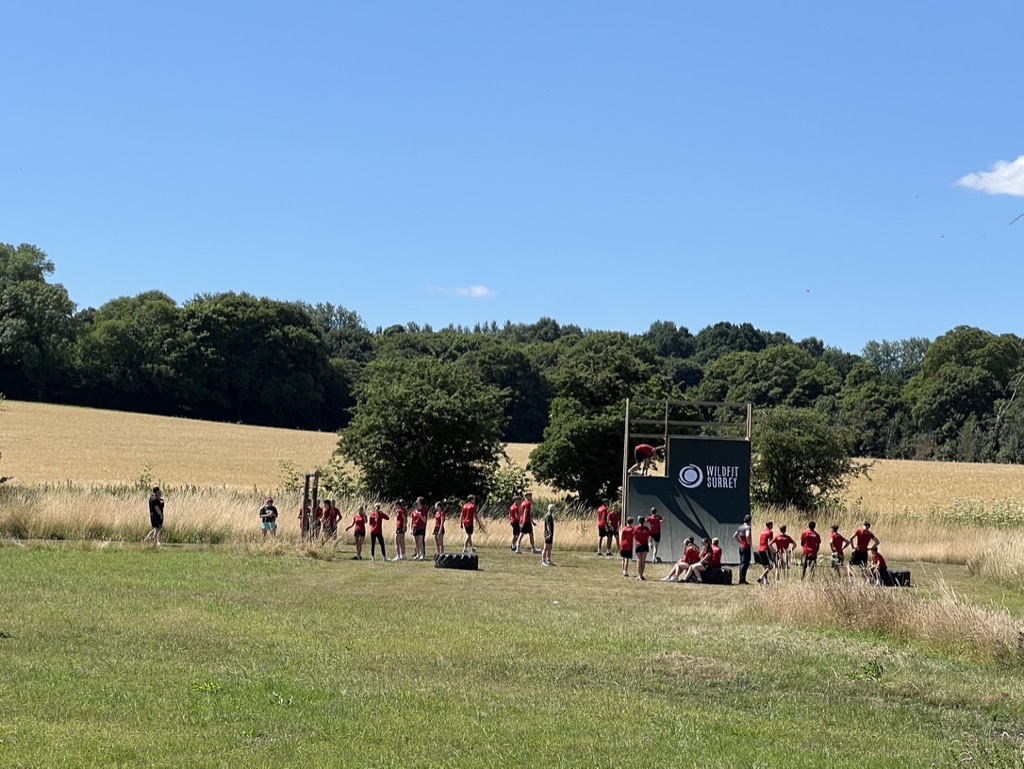
School Trips
School Trips & Enrichment Days in Surrey: A Summer at WildFit Looking for an exciting school trip in Surrey? This summer, WildFit Surrey welcomed hundreds of students from schools and colleges across Surrey, South London and Hampshire for outdoor adventure, team building, enrichment and end-of-year celebrations. [...]

ADHD Myth? What we can learn
What Can We Learn from The Great ADHD Myth? About Children, Movement and the Outdoors? The recent Channel 4 documentary The Great ADHD Myth? has sparked a lively debate about ADHD, diagnosis, medication and the way we support children in schools. [...]
WILDFIT FOR EVERYONE

WildFit Surrey offers team building, wellness, fitness events, private hire for groups and individuals.
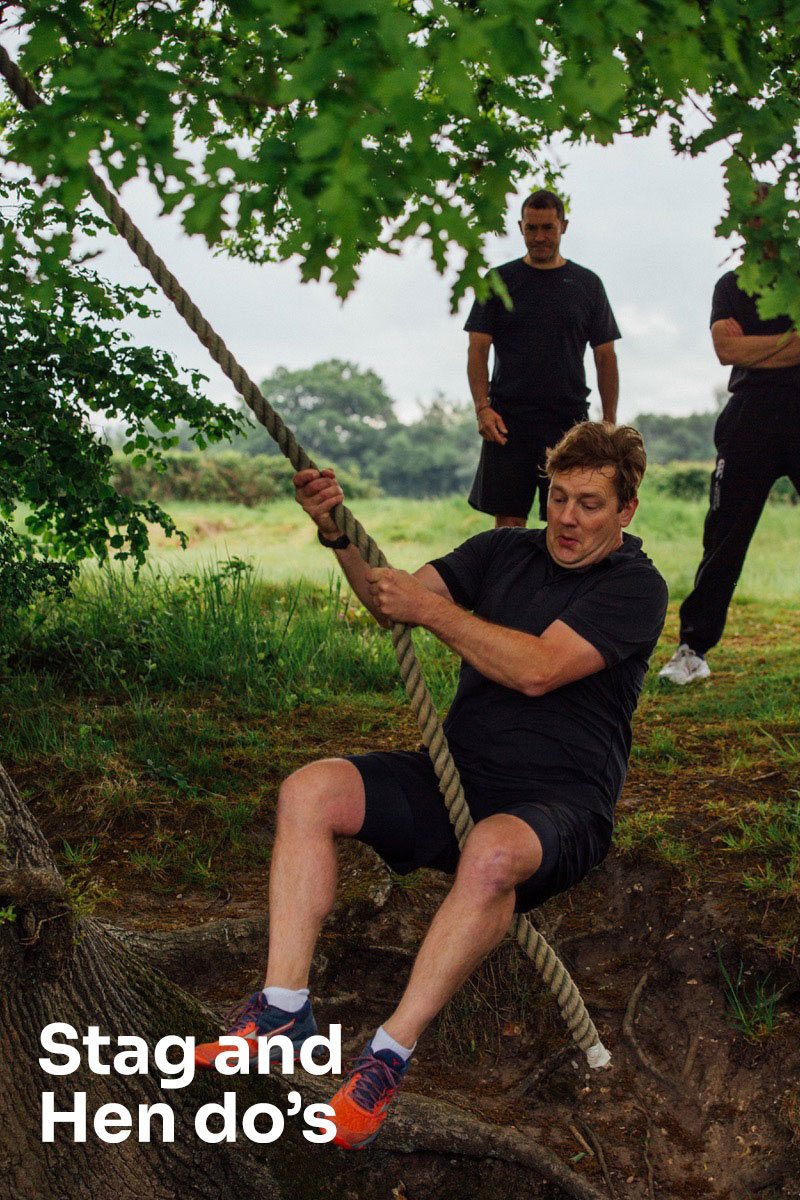

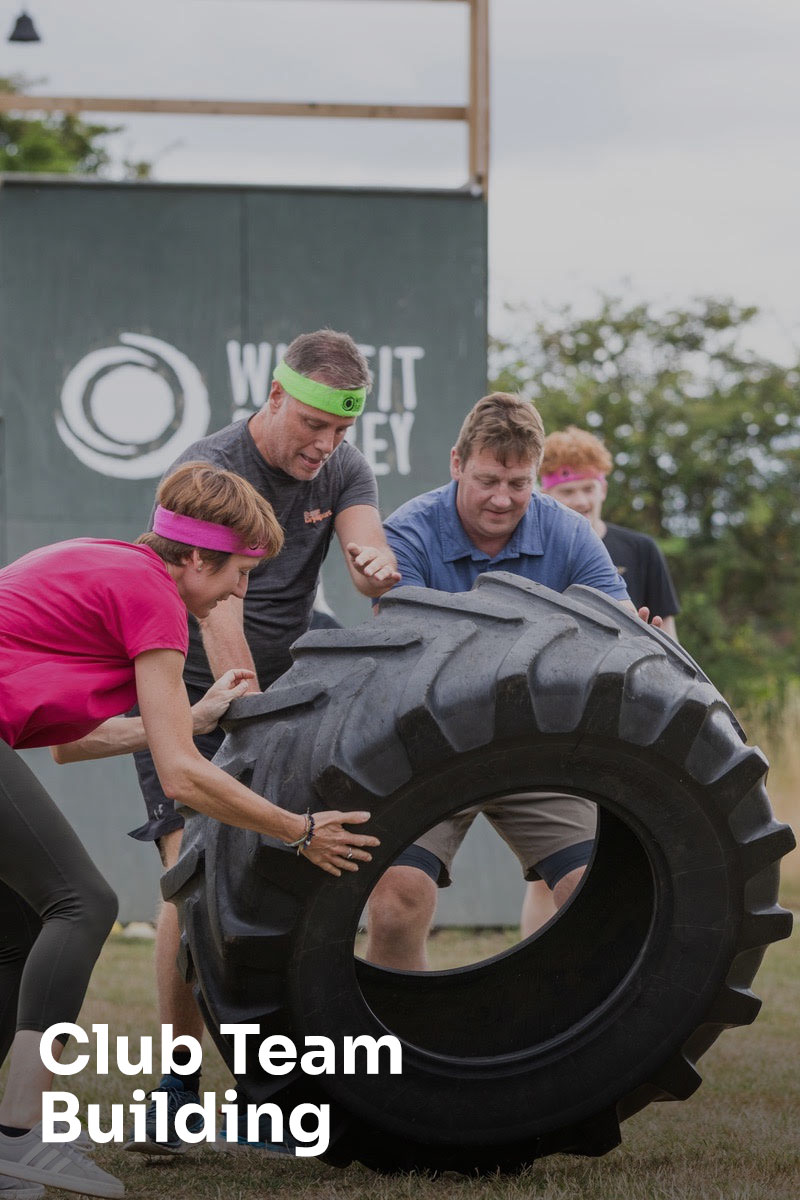


Immerse yourself in nature as you run, climb, scramble and swing around our obstacle adventure. WildFit Surrey boosts fitness and provides a raft of wellbeing benefits. So come and de-stress while testing your physical ability among the trees!