

What Can We Learn from The Great ADHD Myth? About Children, Movement and the Outdoors?

The recent Channel 4 documentary The Great ADHD Myth? has sparked a lively debate about ADHD, diagnosis, medication and the way we support children in schools.

The recent Channel 4 documentary The Great ADHD Myth? has sparked a lively debate about ADHD, diagnosis, medication and the way we support children in schools.
Presented by NHS psychiatrist Dr Max Pemberton, the programme questions whether rising ADHD diagnoses may partly reflect the environments in which children are growing up — including increasingly sedentary lifestyles, screen time and the demands of traditional classroom settings. It also explores whether more emphasis should be placed on lifestyle and environmental factors alongside medical approaches.
Whatever your view of the documentary’s wider argument, it raises an interesting question for anyone working with children:
What happens when we give children more opportunities to move?
At WildFit Surrey, we see this every day.
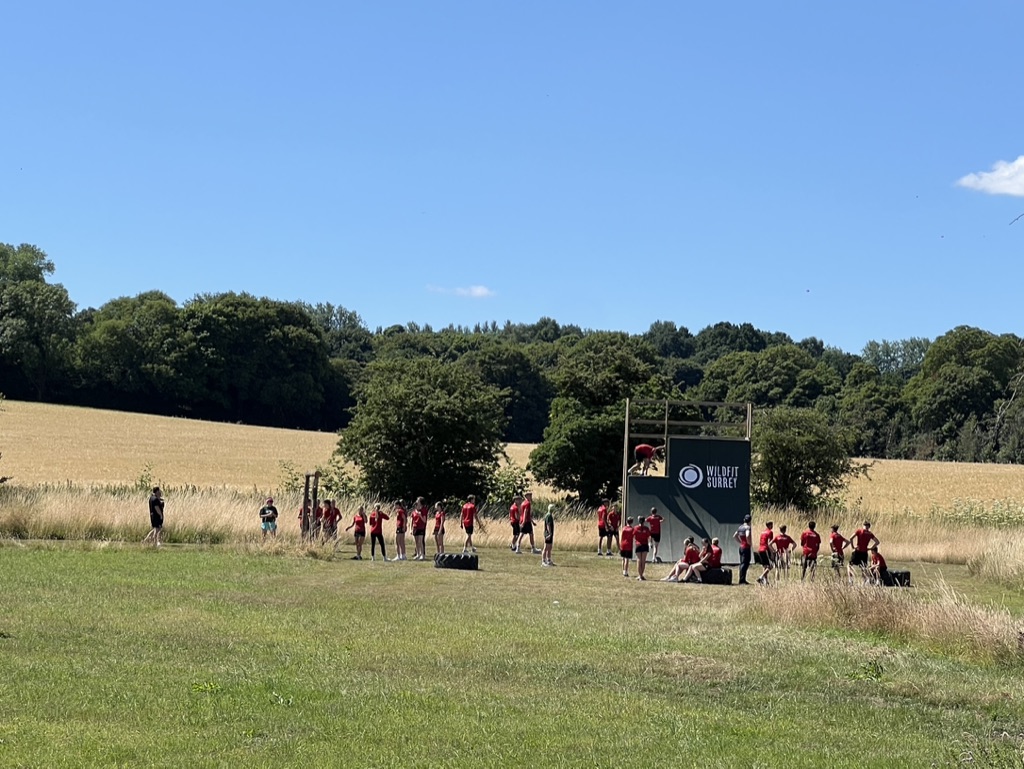
Our school visits take students out of the classroom and into 10 acres of Surrey countryside, where they can climb, balance, run, problem-solve, compete, cooperate and challenge themselves.
And there is growing scientific evidence suggesting that physical activity can do more than simply keep children fit.
Exercise isn’t just about physical fitness
For children with ADHD, one of the most interesting areas of research is executive function — the mental skills involved in things such as working memory, cognitive flexibility, planning and impulse control.
A 2025 meta-analysis of 19 randomised controlled trials found that physical activity interventions significantly improved executive functions in school-aged children with ADHD. The researchers found particularly promising results from cognitively engaging forms of exercise — activities where children have to think as well as move.
A separate 2024 systematic review and meta-analysis also found that activities combining physical movement with cognitive engagement could improve executive function, motor competence and ADHD symptoms, although the researchers stressed that more rigorous research is still needed.
This is particularly interesting when you think about what happens on an obstacle course.
A child isn’t simply running around.
They might have to:
- Remember instructions
- Work out how to tackle an obstacle
- Balance and coordinate their movements
- Make decisions quickly
- Control their impulses
- Adapt when their first attempt doesn’t work
- Encourage and communicate with teammates
- Judge how much they want to challenge themselves
- Try again after failing
They’re exercising their body and their brain at the same time.
What about being outdoors?
There is also emerging evidence around the potential benefits of spending time in nature.
A 2024 systematic review examining nature exposure and ADHD in school-aged children found that the studies reviewed consistently reported an association between exposure to nature and lower ADHD symptoms or diagnosis rates. However, only seven studies met the review’s inclusion criteria, and the researchers highlighted the need for further research.
That doesn’t mean that going into the woods “cures” ADHD.
It does suggest that the environment in which children spend their time may be worth considering.
And that is an important distinction.
Nature isn’t a replacement for appropriate medical or educational support. But it may be another useful part of the picture.
Perhaps we should ask a different question
One of the most interesting ideas raised by The Great ADHD Myth? is whether we sometimes focus too heavily on changing the child when we could also change the environment around them.
Think about a traditional classroom.
Sit still.
Listen.
Wait.
Concentrate.
Write.
Wait again.
For some children, this can be incredibly challenging.
Now compare that with an outdoor activity:
Move.
Explore.
Solve.
Try.
Adapt.
Communicate.
Challenge yourself.
Try again.
It’s a completely different environment.
And importantly, children who may struggle to demonstrate their strengths in a conventional classroom can sometimes thrive when learning becomes physical, practical and social.
Why this matters for school trips
At WildFit Surrey, we deliberately design our school sessions to keep students active and involved, with minimal standing around.
That’s important for every child — but it can be particularly valuable for students who find long periods of sitting, waiting or listening difficult.
Rather than having one child completing an activity while everyone else watches, our activities are structured to keep groups moving and participating.
Students might be:
- Racing in teams
- Tackling obstacles
- Solving physical challenges
- Learning new skills
- Supporting teammates
- Competing in relays
- Exploring the course
- Trying something outside their comfort zone
And because we use a “challenge by choice” approach, children can decide how far they want to push themselves.
For one student, success might mean tackling the biggest obstacle.
For another, it might mean simply having the confidence to try.
Both are achievements.
It’s not about making every child the same
The ADHD debate can sometimes become focused on whether children should be medicated, diagnosed or treated differently.
But there is another conversation worth having:
Are we creating enough different environments in which children can succeed?
Not every child thrives sitting behind a desk.
Some children learn through movement.
Some through doing.
Some through competition.
Some through teamwork.
Some need to physically experience a challenge before the lesson really makes sense.
And some simply need the opportunity to discover that they are good at something they didn’t realise they could do.
That’s one of the reasons outdoor enrichment can be so powerful.
What the research does — and doesn’t — tell us
It’s important not to overstate the science.
Physical activity should not be presented as a cure for ADHD, and outdoor activities shouldn’t be positioned as a replacement for appropriate medical treatment or support.
A 2026 umbrella review of 45 meta-analyses found beneficial effects of structured physical exercise on ADHD symptoms and executive functions, but also concluded that the certainty of evidence was generally low to very low. The authors described exercise as a potentially useful adjunct to multimodal ADHD management rather than a replacement for established treatments.
That’s a sensible way of looking at it.
Exercise isn’t the answer to everything.
But there is increasingly good reason to believe that movement, cognitive engagement and supportive environments can be valuable parts of a child’s overall wellbeing.
Maybe the real question isn’t “What’s wrong with the child?”
Perhaps it’s:
“What environment helps this child thrive?”
At WildFit Surrey, we don’t claim to treat ADHD.
What we do is create an environment where children can move, explore, take appropriate risks, solve problems, work together and experience success.
They get out of the classroom.
They get away from screens.
They spend time in nature.
They are physically active.
And, perhaps most importantly, they get the chance to be children.
Sometimes a child who struggles to sit still for an hour can concentrate brilliantly when they’re given a physical challenge to solve.
Sometimes the child who doesn’t shine in the classroom becomes the person encouraging everyone else across an obstacle.
Sometimes the quiet child discovers unexpected confidence.
And sometimes the child who is always being told to “slow down” discovers that their energy is actually an asset.
Maybe we don’t always need to change the child.
Maybe sometimes we just need to change the environment.
Looking for an outdoor enrichment experience for your school?
WildFit Surrey offers active, engaging school visits in 10 acres of Surrey countryside, with a 35+ obstacle course, 70m zip wire, team challenges and a range of activities designed to keep students involved throughout the day.
Our sessions can be tailored around your students, timetable and learning objectives, with activities suitable for different abilities and a challenge-by-choice approach.
If you’re looking for something different from a traditional school trip — something active, memorable and genuinely engaging — we’d love to hear from you.
Get in touch with WildFit Surrey to discuss your next school visit.

School Trips
School Trips & Enrichment Days in Surrey: A Summer at WildFit Looking for an exciting school trip in Surrey? This summer, WildFit Surrey welcomed hundreds of students from schools and colleges across Surrey, South London and Hampshire for outdoor adventure, team building, enrichment and end-of-year celebrations. [...]
ADHD Myth? What we can learn
What Can We Learn from The Great ADHD Myth? About Children, Movement and the Outdoors? The recent Channel 4 documentary The Great ADHD Myth? has sparked a lively debate about ADHD, diagnosis, medication and the way we support children in schools. [...]
Team Building activities at WildFit Surrey
Team Building Activities at WildFit Over 20 different team building activity choices Whether your group is highly athletic or completely new to fitness, we tailor every session to ensure everyone feels included, challenged and supported. All our sessions [...]
WILDFIT FOR EVERYONE

WildFit Surrey offers team building, wellness, fitness events, private hire for groups and individuals.
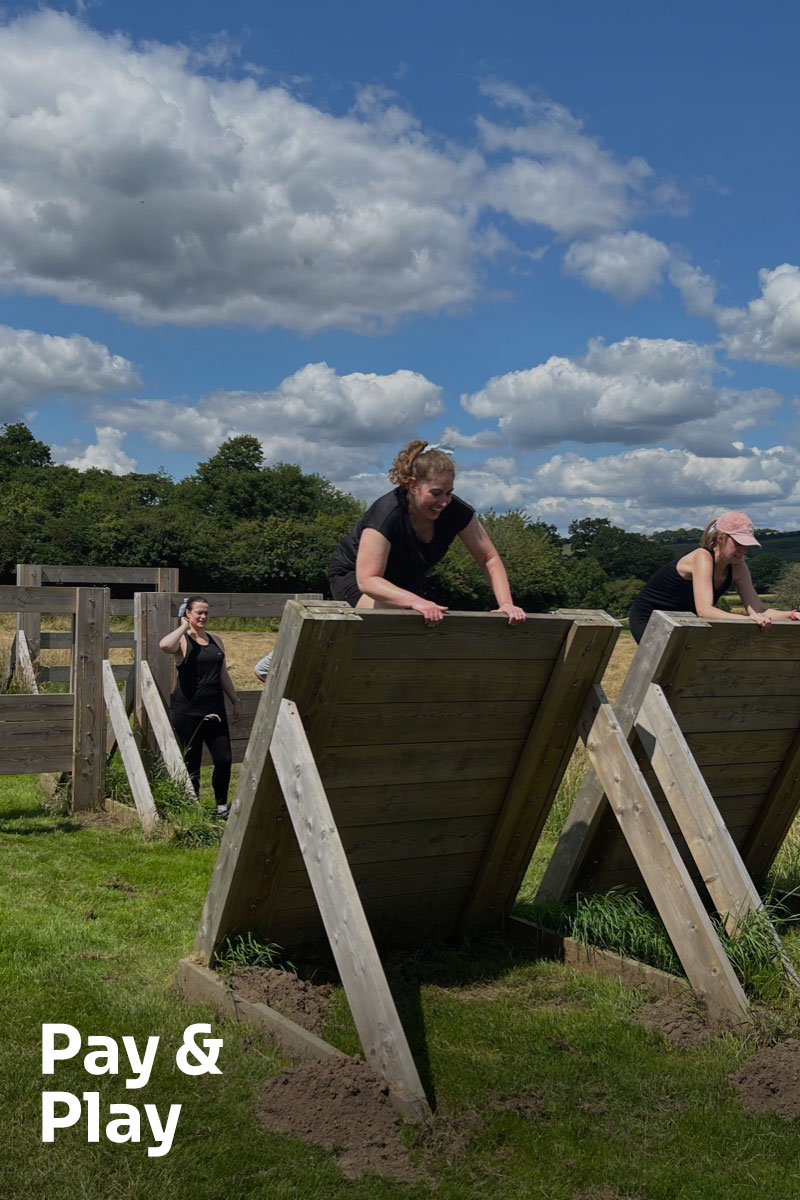


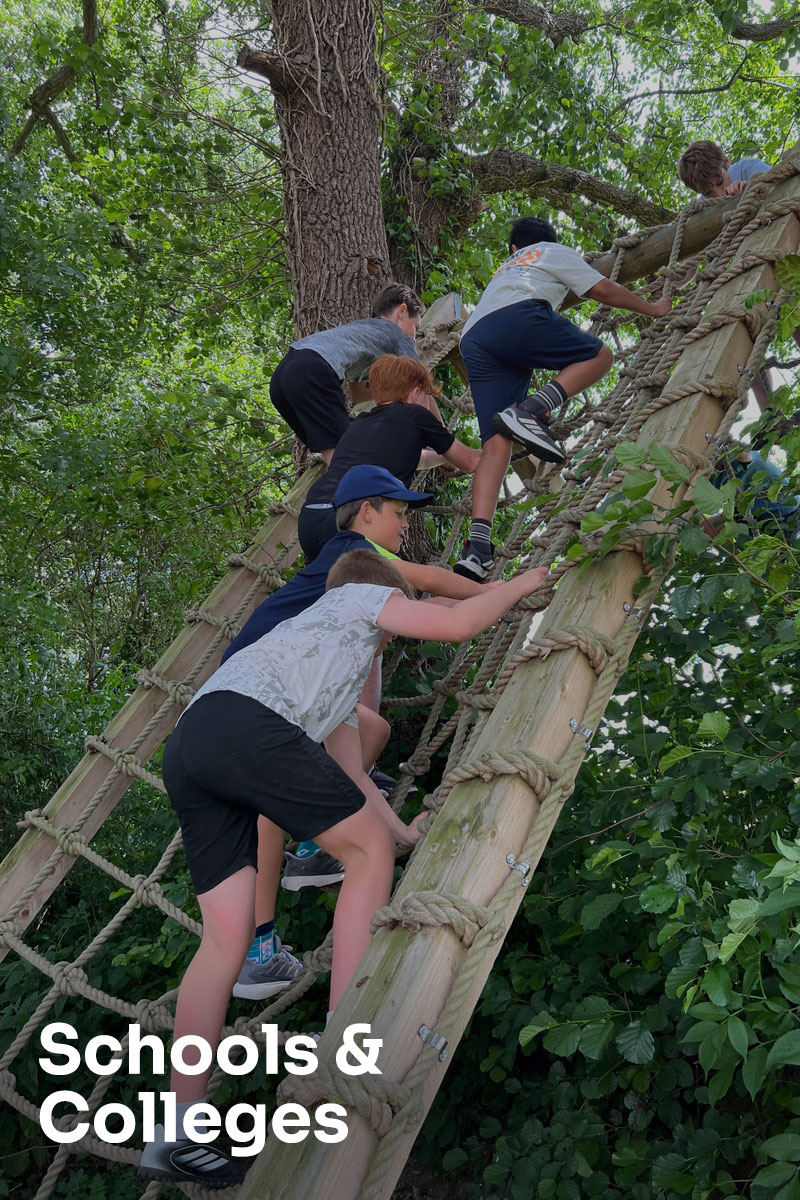
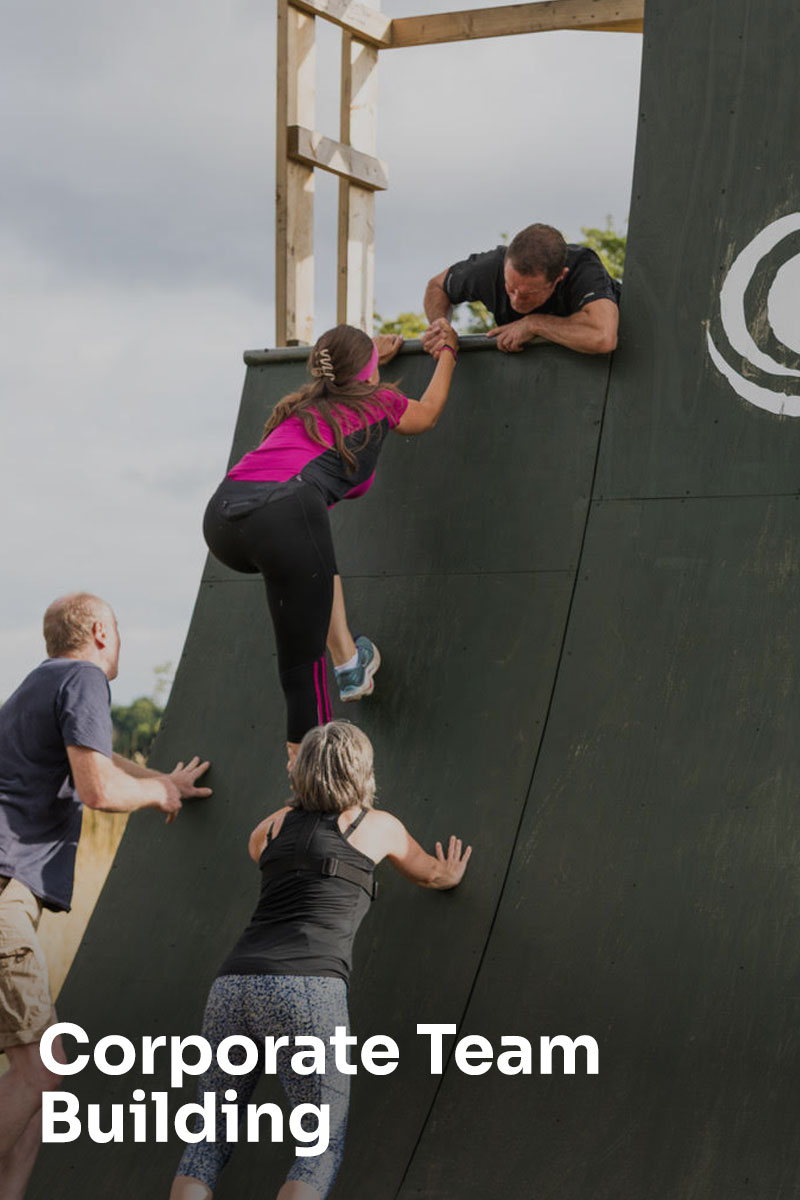
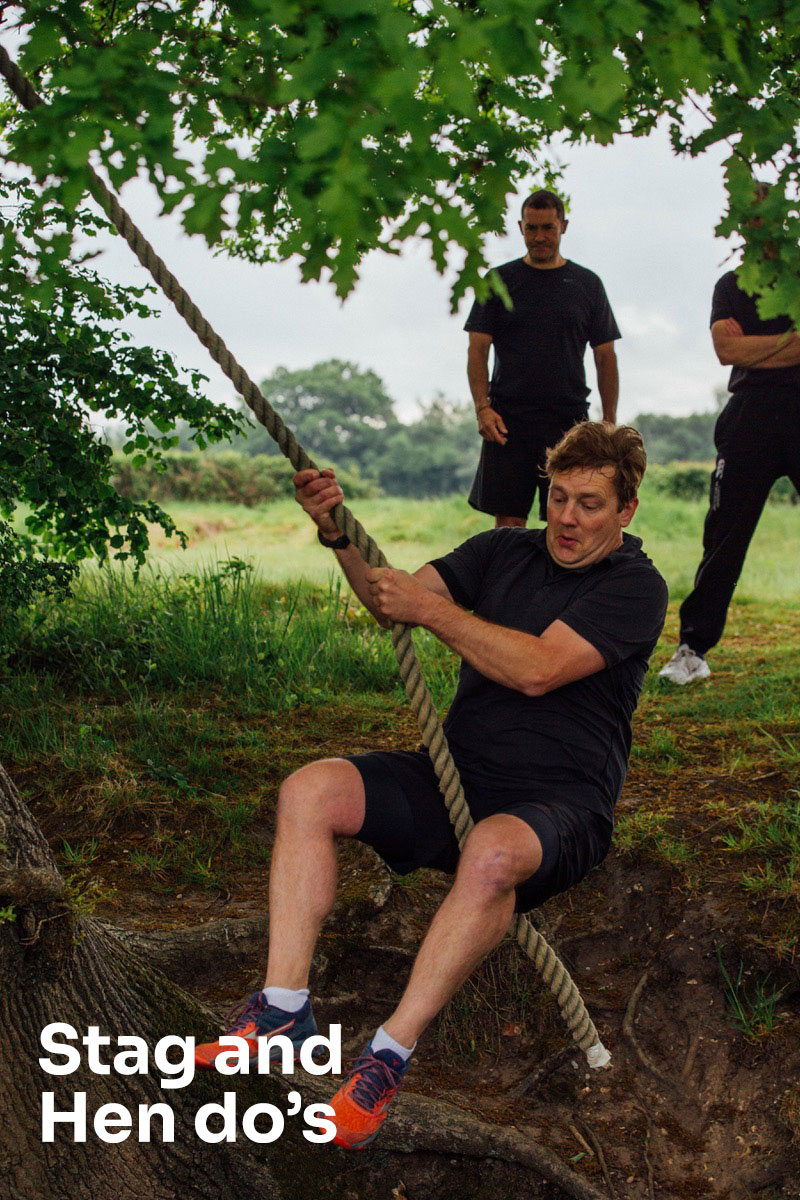
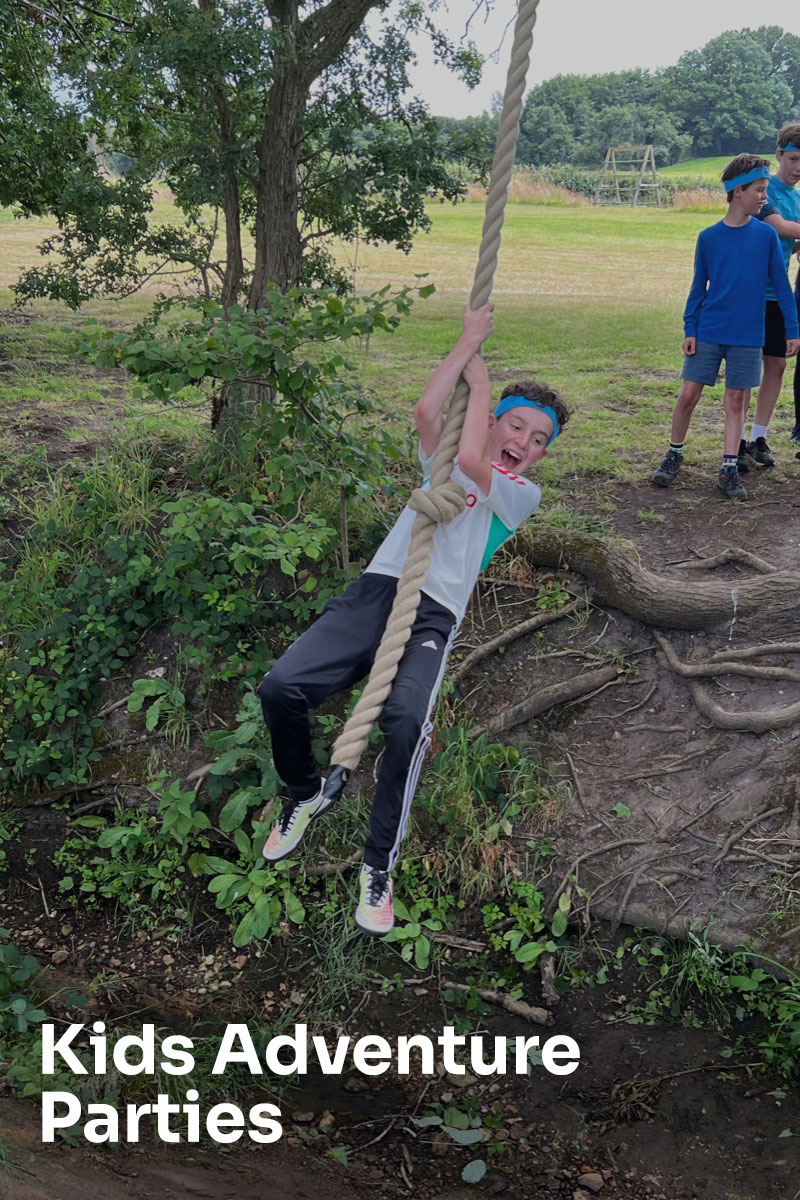

Immerse yourself in nature as you run, climb, scramble and swing around our obstacle adventure. WildFit Surrey boosts fitness and provides a raft of wellbeing benefits. So come and de-stress while testing your physical ability among the trees!